

Better to watch this on a bigger screen.
Not optimized for phones 😉
MEMORIES
out of the blue memories appear
well known faces flashing by
some disappear again, like in a dream
some repeat, a few stay
lovers from long ago, friends who’s names i have almost forgotten















more memories please ; )
.
. . .
.
names
Even if i would try very hard
i would surely not remember this name or the other
but then, all of a sudden all comes rushing in
out of the blue
smells and faces and feelings and all
stories, even the names
my amazing brain
this mysterious brain
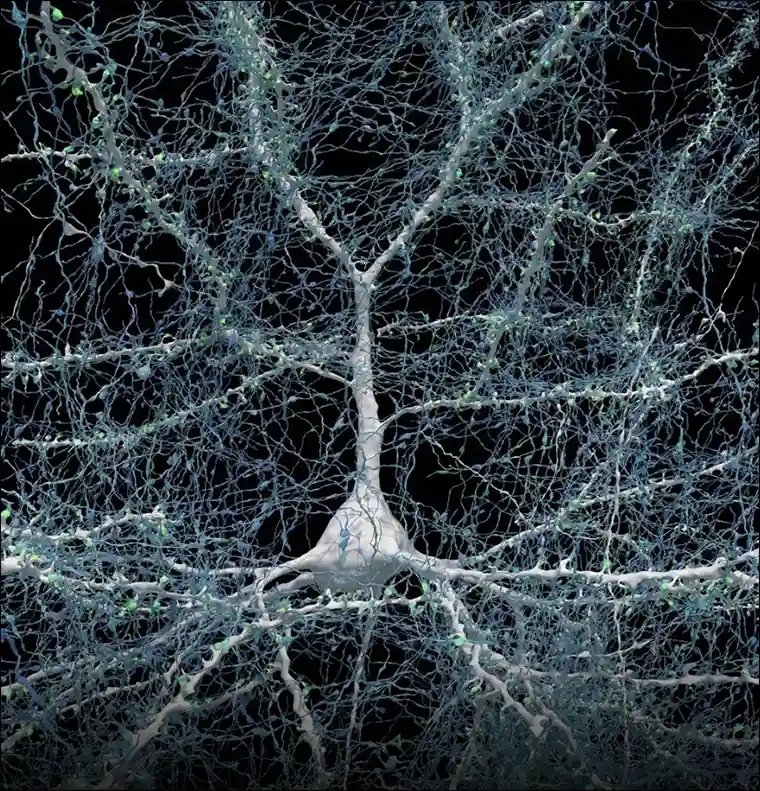
. . . unknown indeed! And amazing. 🤔😲
This illustration shows just one of 86 billion neurons in my brain, with all its wider-ranging synaptic connections. Through trillions of these synaptic connections, neurons weave themselves into dynamic networks that constantly reconfigure into patterns.
This ever-ongoing interactivity and neuroplasticity on the material level of the brain underpins the emergence of our thoughts, the waves and weaves of emotions, the precision of our movements and the formation of memories.
The physical mechanism of storage is synaptic plasticity — the strengthening or weakening of connections between neurons.
Memories are not stored in a single location but are distributed across interconnected brain regions depending on their type.
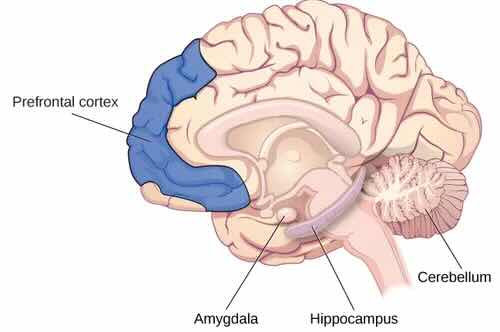
Explicit memories – the facts and events that we may or may not easily remember – rely on the hippocampus for initial formation and indexing, with long-term details migrating to the neocortex for permanent storage. The amygdala attaches emotional significance to these memories, enhancing their retention.
The so-called “working memory” is primarily managed by the prefrontal cortex, which handles short-term information.
.
. . .
.
early childhood memories
I would so very much love to remember my early childhood, but …
its like a heavy curtain has descended
hiding those magical years
a veil of forgetting
no early childhood memories at all . . .
[ in case you are luckier than me, please let me know ]
But wait! There is one:
Waldi, my grandfather’s dachshund,
his faithful hunting companion!
I seem to somehow remember him, his smell …
Or maybe not!
Maybe he was already dead when I’ve been born.
Maybe I just recreated “Waldi the Dachshund” from the stories that have been told in our family about this faithful old dog.
Who knows?
Our astonishing inability to remember most of our earliest years is known as childhood amnesia, .
Neuroscience and memory research offer converging explanations.
The hippocampus is still developing.
The hippocampus helps bind place, time, emotion, and sensation into retrievable episodes. It continues maturing through early childhood.
At the same time, very high neurogenesis – new neuron growth – may make early memory traces less stable. The same processes that support rapid learning may make memories harder to preserve.
There is not yet a stable autobiographical self.
Autobiographical memory depends on a sense of continuity: this happened to me.
That “me across time” develops alongside self-recognition and language, becoming much more established around ages 3–4.
Language gives memory a structure.
As language develops, experiences can be organized into stories and concepts that be re-told and remain accessible later. A preverbal child can experience the world intensely, but those experiences lack the narrative framework that makes adult recollection possible.
The map for a retrieval of memories changes.
Some early experiences may leave lasting traces, but the cues available in adulthood can be radically different from those of childhood. The memory may not be erased so much as become inaccessible:
The map no longer matches the terrain.
Around ages 5–7, memories begin to become considerably more stable and retrievable, alongside maturation of the hippocampus, improved memory strategies, language, and a richer sense of self.
~
So perhaps the “magic years” are not lost because nothing was happening. Quite the opposite.
Those years represent rich foundational experience before it was organized into the familiar categories of language, narrative, and self:
Sensation before explanation, feeling before autobiography, experience before the story of “me.”
[ Wikipedia ]
.
. . .
.
musical memories
Out of the blue, and with no clear reason at all,
i remember
songs, and music
pieces i have loved,
ages ago
they start to play in my head, fully rendered,
every lyric intact
when one piece ends, i already have a distinct sense of the next song on the LP
obviously, i mostly get a unexpected visits from music and songs that i listened to a lot during my formative years, the 1960s and 70s
so much new music appeared every week, music that deeply resonated with me
I suspect that those songs became hardcoded in my brain
like the grooves on a LP
😃
Neuroscience calls these mental playbacks auditory imagery, and their spontaneous arrival reveals just how uniquely music is encoded in human memory.
Unlike standard factual memories, which tend to decay or lose their fine details over time, musical memories are stored across a vast, deeply distributed network.
When I fall in love with a song, my brain doesn’t just save the melody. It constructs a dense, multi-layered web that links several regions simultaneously:
The Auditory Cortex:
Stores the precise pitch, timbre, tempo, and acoustic texture.
The Motor Cortex:
Preserves the physical rhythms, sub-vocal muscle movements, and physical memory of how it feels to sing or move to the music.
The Limbic System (Amygdala & Hippocampus):
Locks in the specific emotional state, context, and feelings you experienced when the song was a central part of your life.
Because music is encoded across sensory, motor, and emotional domains all at once, the total memory trace is very resilient.
Even if I have not consciously thought about a certain piece of music in decades, the underlying blueprint remains intact.
Auditory Imagery playback
When a musical memory is triggered, your brain doesn’t just think about the song. It literally actively recreates the acoustic experience.
Neuroimaging of the brain reveals that when a person vividly imagines a song, the auditory cortex fires in almost the exact same activation patterns as it does when actually listening to the physical sound waves.
My brain is essentially running the playback in reverse: generating the sensation of sound from the inside out.
While names and dates can fade as the years pass, the songs we once loved remain stored in high-definition. Waiting silently in the background until an unexpected memory spark sets the whole orchestra or band in motion again.
.
. . .
.
Remembering vivid images from long ago
There are images from long ago that I remember in great detail.
Some iconic images have become so much part of the collective memory that they got also etched into my brain.
The first picture of Earth taken from space
The assassination of J.F Kennedy in Dallas, Texas
The nuclear mushroom cloud over Hiroshima
The Twin Towers of NYC on 9/11
A photo of an embryo inside the mother’s womb
I guess such images get hard-coded into the brain, because there is so much emotion connected with them.
~
On a more personal level, I still vividly remember LP covers from the 1970s every time I think about certain songs or hear one playing in my mind.
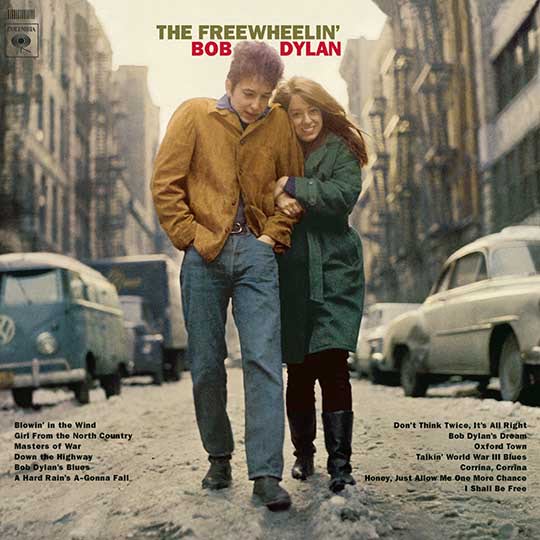
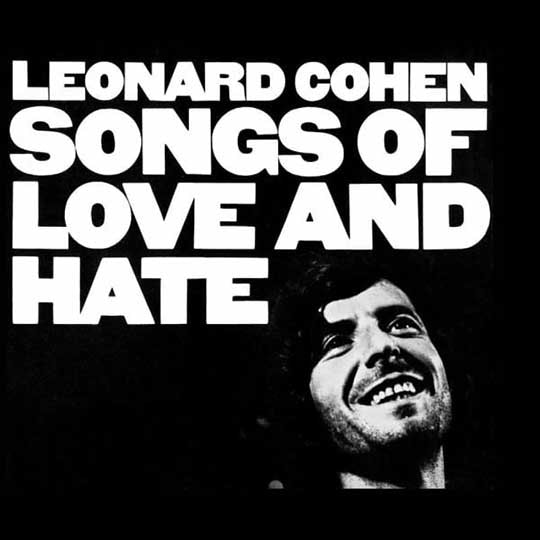

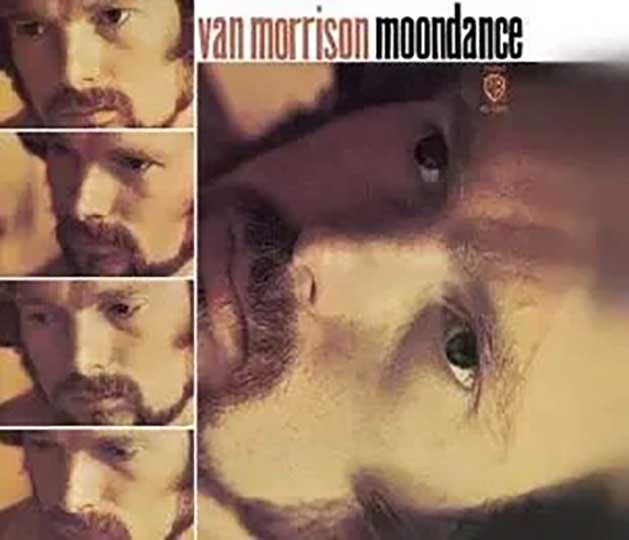


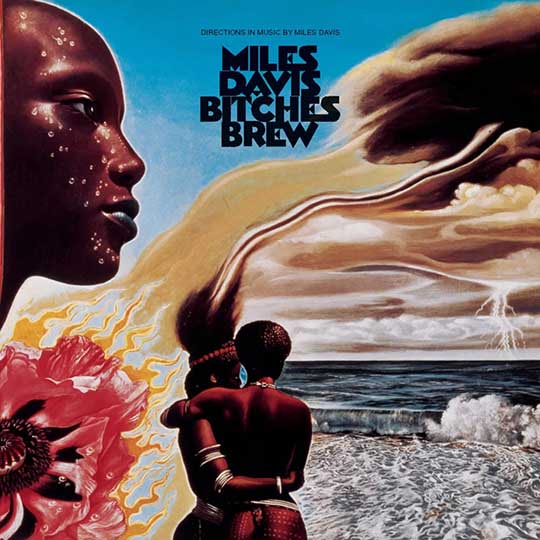

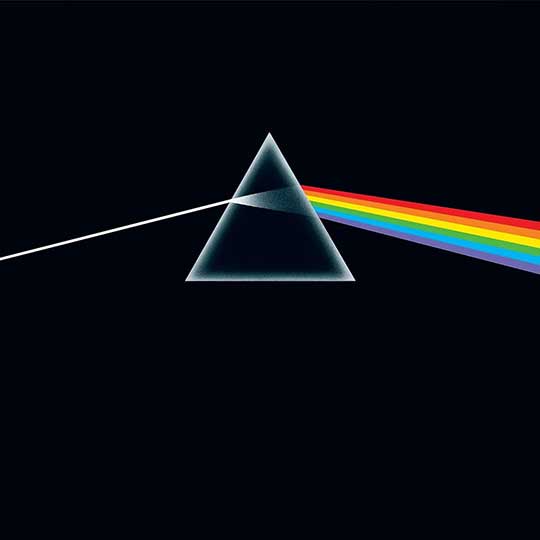
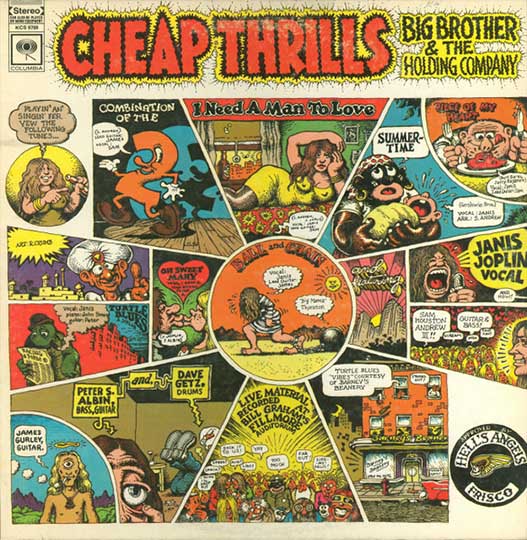
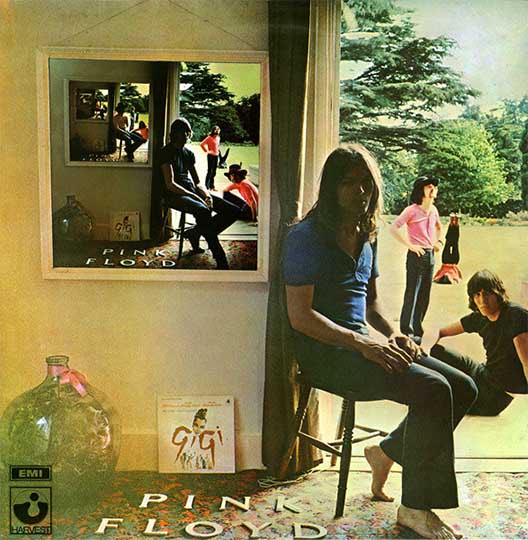
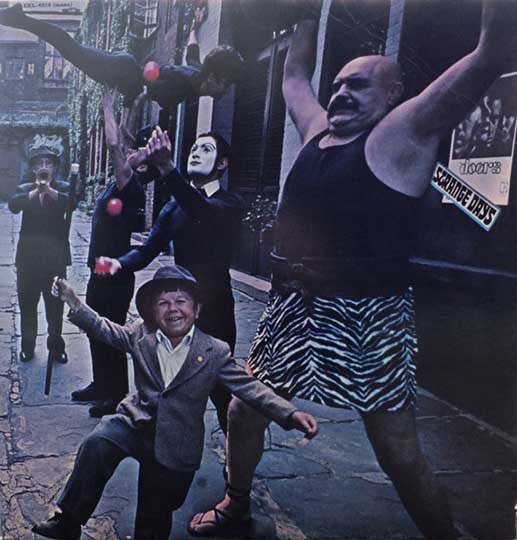
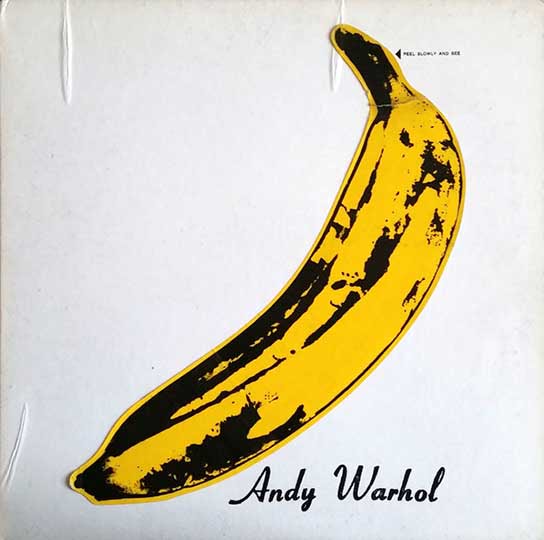

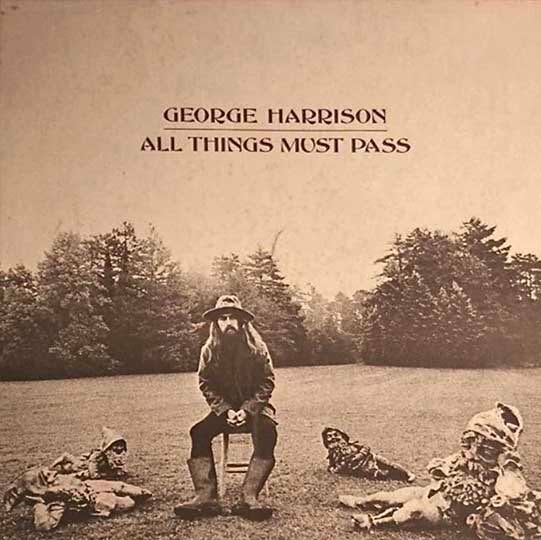
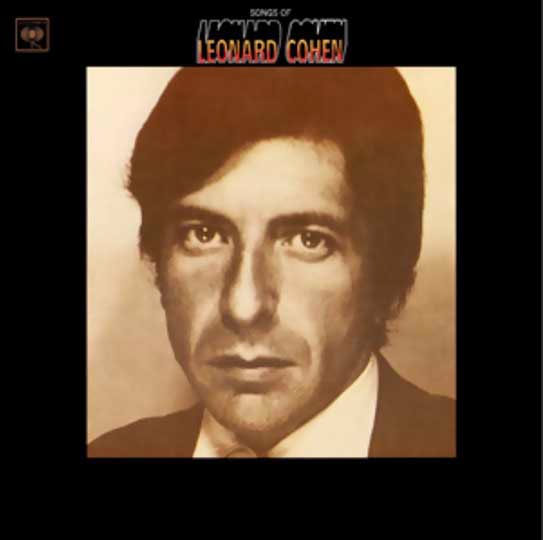
more LPs please
.
. . .
.
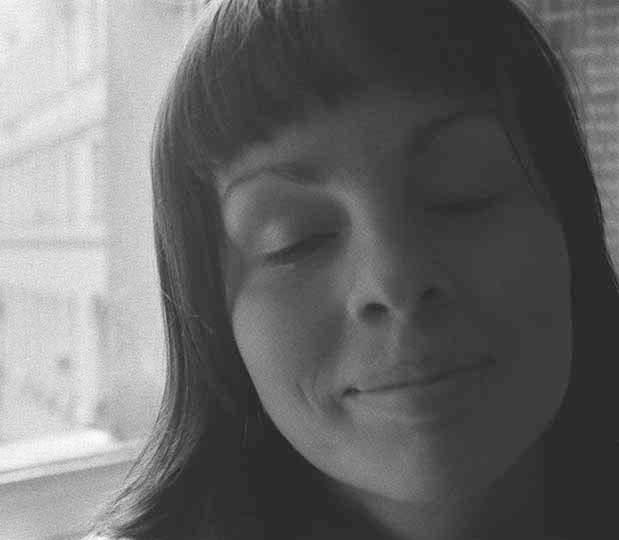
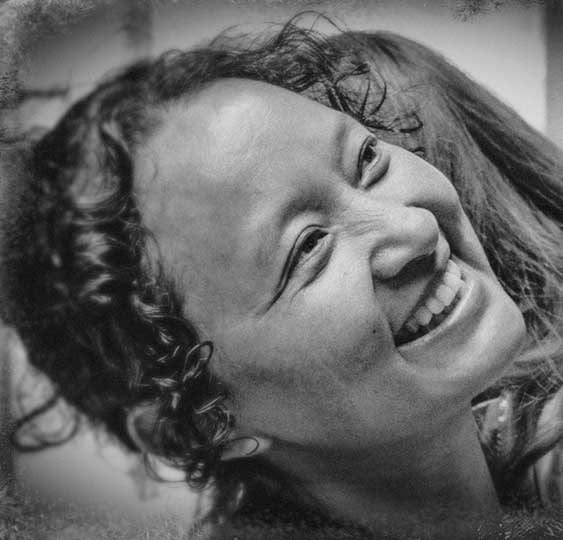
There is also this interesting poster of a young Chinese girl that I remember from my student years.
Back then, it’s graphic quality impressed me so much that I tried to copy it on transparent paper
Line by line
Recently I read that the photographer who created it had died.
Here is my – coded – homage to the photographer Nancy Sheung
And the photo of her young daughter.
Called “The Pigtail”

.
. . .
.
The “reminiscence bump” of autobiographical memories
I can vividly recall many events from my late teenage years and the years of my twenties – almost like little movies in my mind, with full color and emotional content.
Neuroscience and psychology calls it reminiscence bump.
It is the tendency of our brains to remember a surprising number of autobiographical events from our adolescence and early adulthood, mostly from our teens through the twenties.
These years are often a period of first and important experiences.
First love, first sexual encounter, first car, first adventures, first major life choices.
Experiences from this formative period become especially important in shaping our sense of who we are, and many of those memories seem to remain unusually accessible decades later.
.
. . .
.
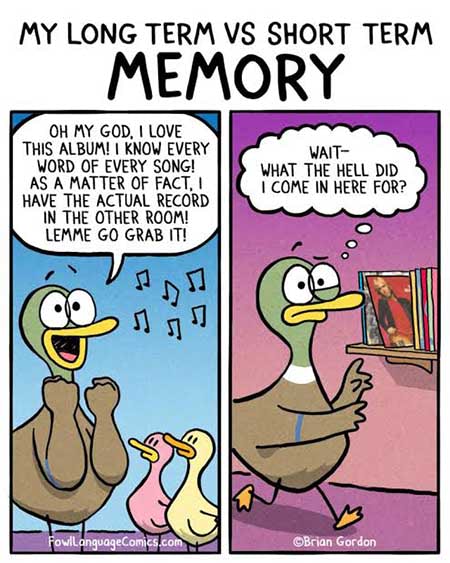
Short-time memory . . . loss 😯
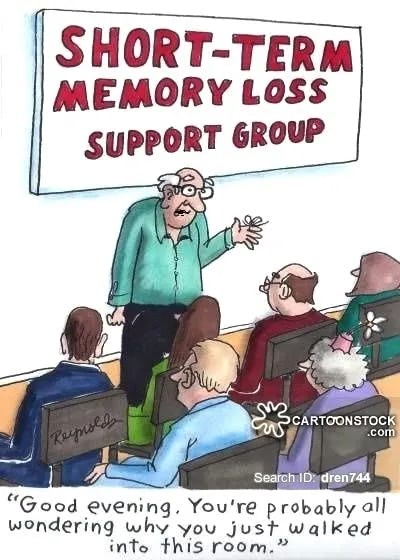
Short-term memory is the mind’s temporary workspace. My ability to hold information for a few seconds or minutes while using it.
Remembering a phone number long enough to dial it, keeping the beginning of a sentence in mind while understanding the end, or holding several steps of a task in your head, and so on.
It is closely related to working memory, although working memory also includes manipulating and using the information rather than simply holding it.
~
After about 60, some aspects of short-term and working memory tend to become less efficient. This is a normal part of aging, not necessarily a sign of dementia. The brain’s processing speed becomes slower with age, attention is somewhat easier to disrupt, and the brain can become less efficient at maintaining several pieces of information simultaneously.
Older brains can often store and retrieve meaningful memories very well. What tends to become harder is keeping new information actively available long enough to work with it.
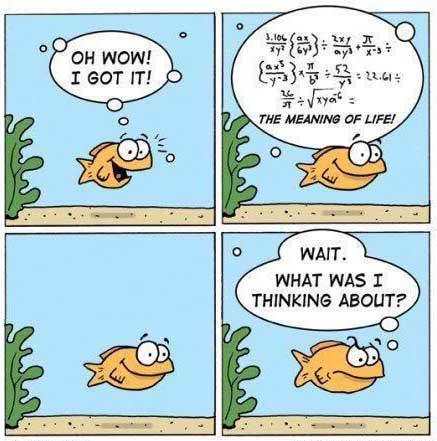
So an older person may remember a meeting with a friend from fifty years ago perfectly well, yet forget a name that was mentioned thirty seconds ago.
The strange paradox of the aging brain is that the distant past can sometimes feel more accessible than the immediate present.
Tell me about it!
🙃 😉
. . .