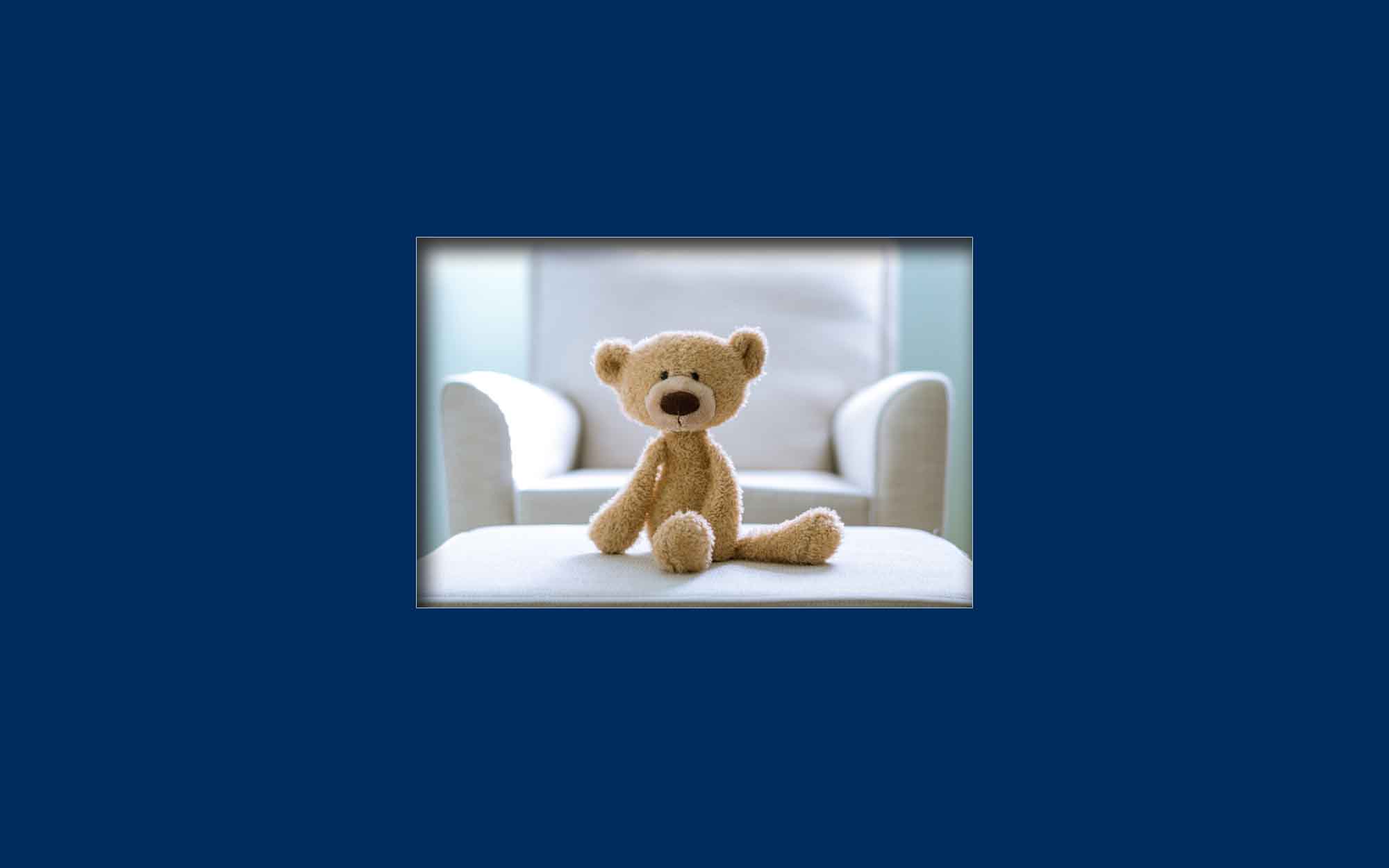
Teddy Bear Magic
Grown-ups (also known as adults ; ) may think that Teddy Bears are just cute or even worthy of collecting a few of them.
But for a child it is a different story altogether.
I know, because I have been a child once.
And I remember.
My Teddy may have been just a small one, worn and passed down to me from my brother.
Maybe not all that cute, but he has been my constant companion, my anchor.
When my brother died.
When my parents quarreled.
When my father was harsh and drunk.
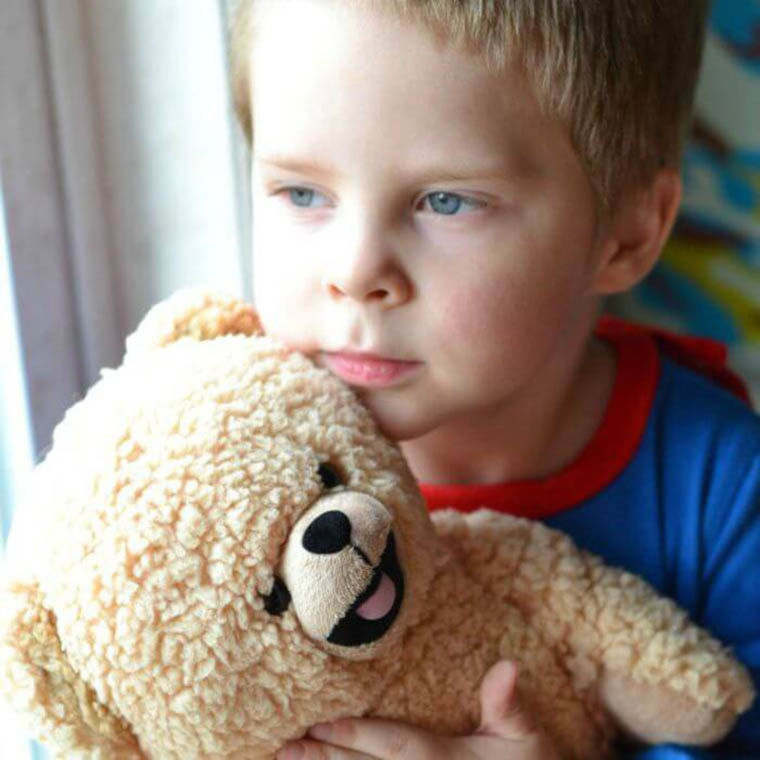
When I felt left out and alone.
Teddy has been there.

This was a long time ago and the general public obviously did not know so very much about the psyche of a child and the significance of an imaginary companion.
Or the many blessings of the Teddy Bear.
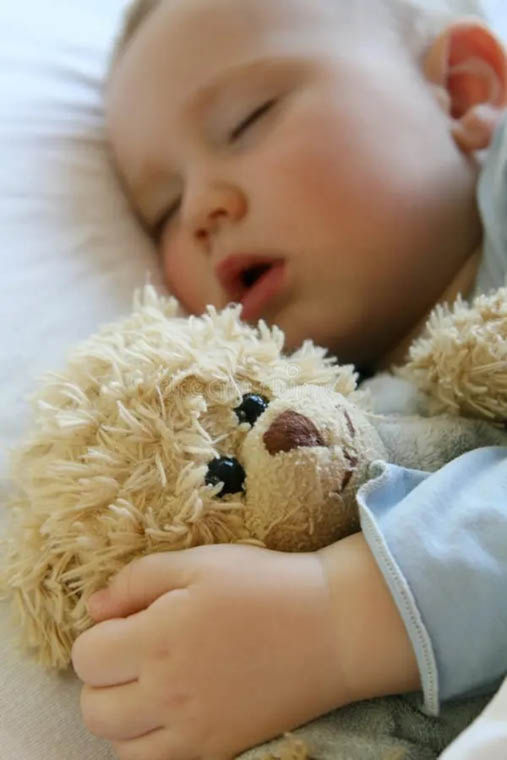
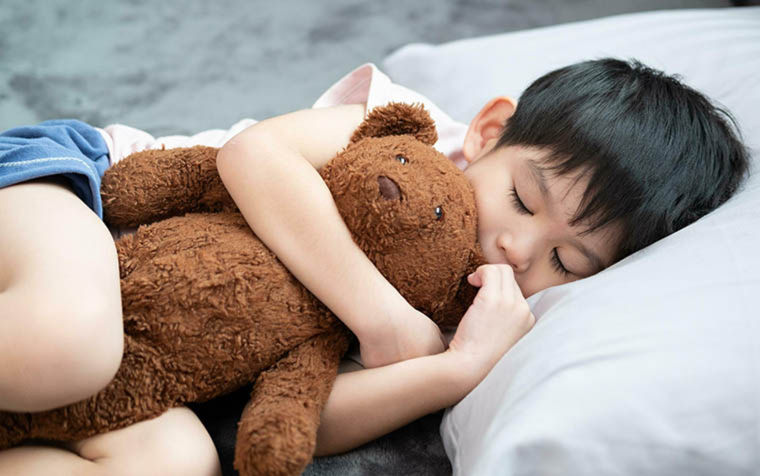
But I am sure most households with children had at least one of those Magic Bears living with them and quietly doing its wonders.
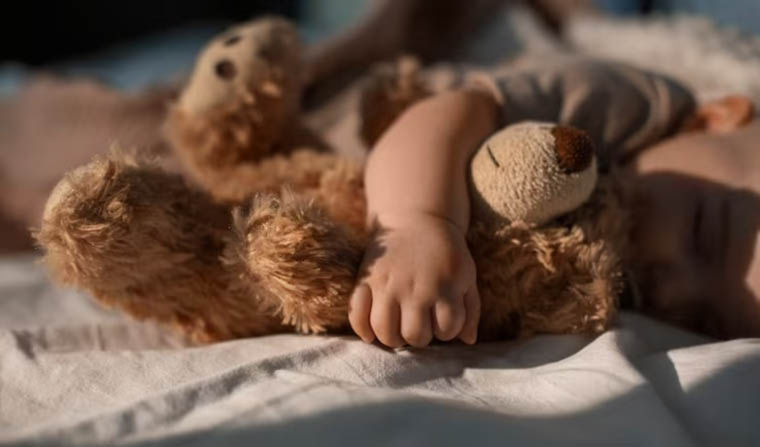
Nowadays, we obviously know a lot more about child psychology and development and the many roles Teddy can fulfill in the life of a child.
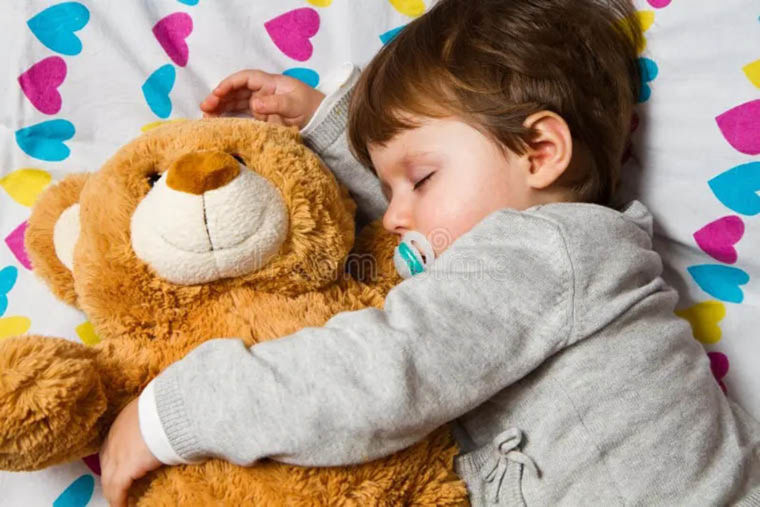
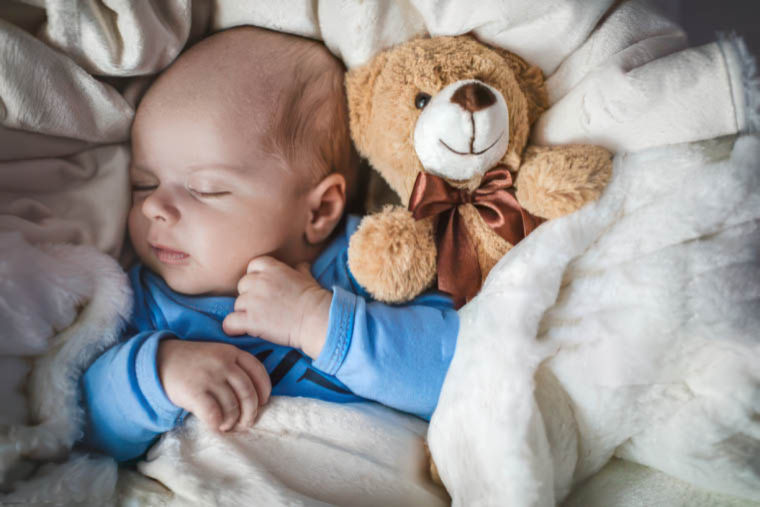
I guess it is time to sing the praises of the Teddy Bear,
once and for all!
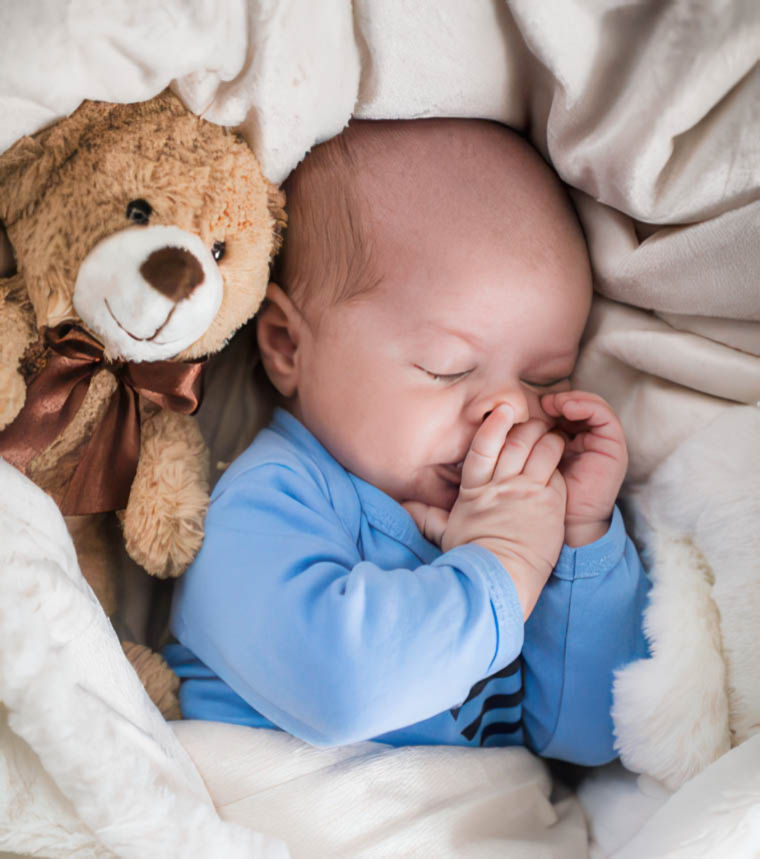
Celebrate 🥳 this little cuddly friend.
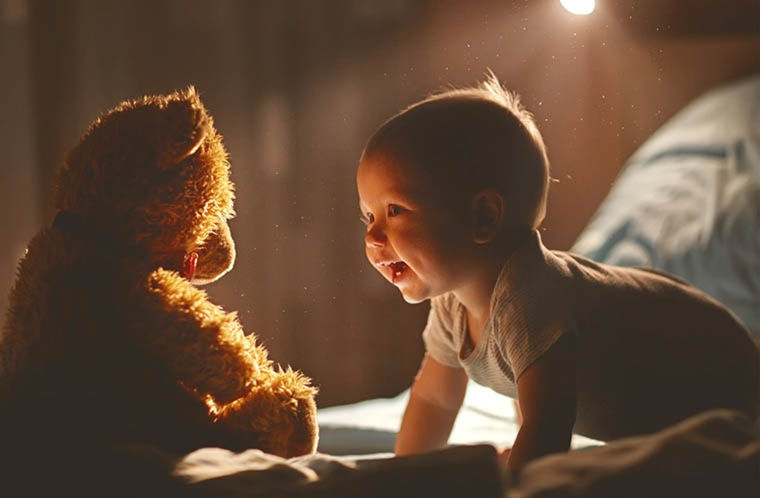
.
. . .
.
Here is what some contemporary child psychologists are saying about Teddy Bears:
Children love teddy bears because they are powerful psychological tools that fulfill deep emotional and developmental needs. These beloved toys are not just playthings; they are scientifically designed and psychologically essential for a child’s growth.
They are designed to be irresistible.
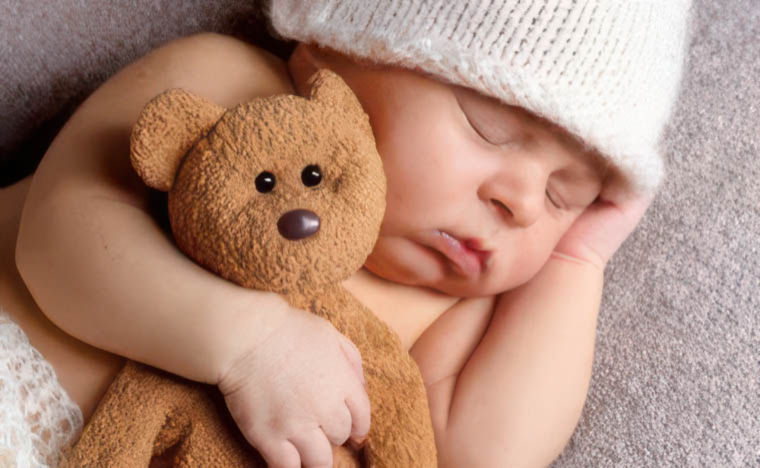
Teddy bears are crafted with specific features – large eyes, round heads, and soft textures – that trigger a human’s innate “baby archetype.”
This biological response compels us to find them cute and want to nurture and cuddle them, making the attachment instinctive from the very first encounter.
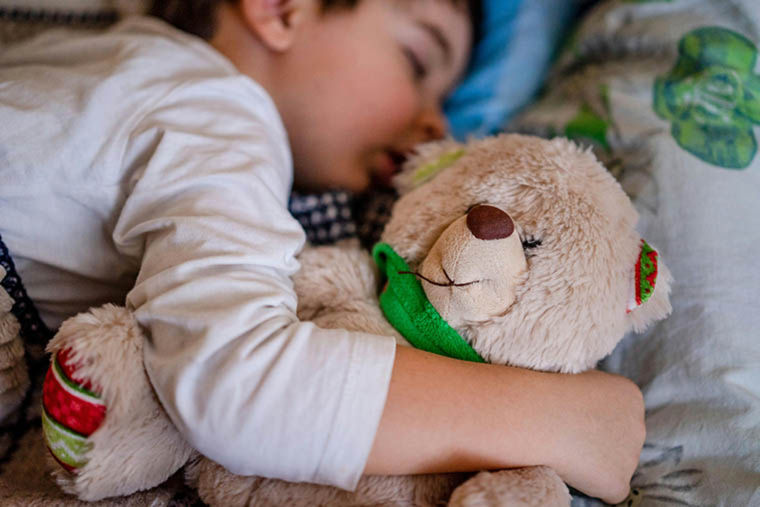
They Serve as “Transitional Objects” for Independence
Teddy bears as “transitional objects,” which help children bridge the gap between total dependence on a caregiver and growing independence.
When a child clings to their bear during a doctor’s visit or their first night at a sleep-away, the bear acts as a tangible piece of home, providing stability and reducing separation anxiety.
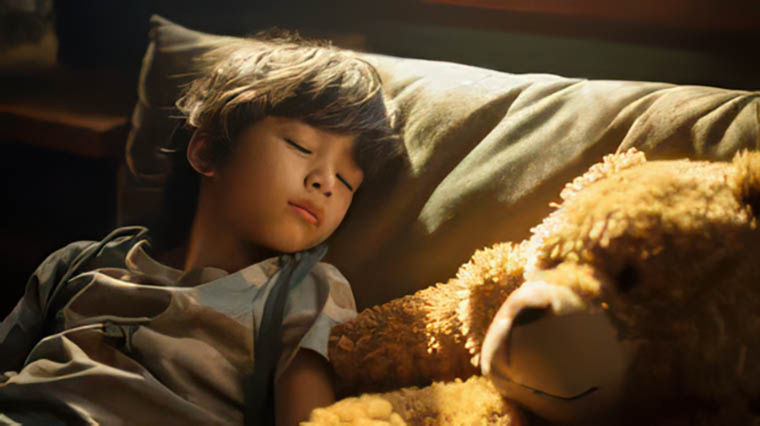
They Are a Foundation for Emotional and Cognitive Development
The bond with a teddy bear is a dynamic relationship that fosters crucial life skills:
– Emotional Regulation: A child might whisper their fears into the bear’s ear, using it as a safe, non-judgmental confidant to process complex emotions.
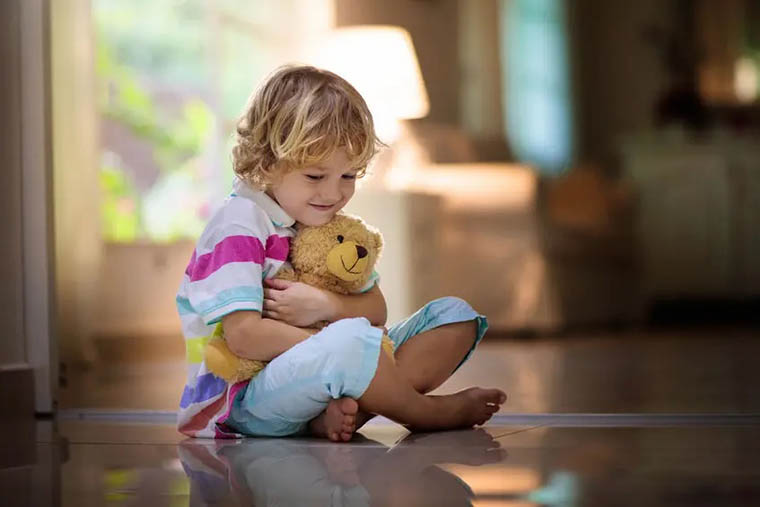
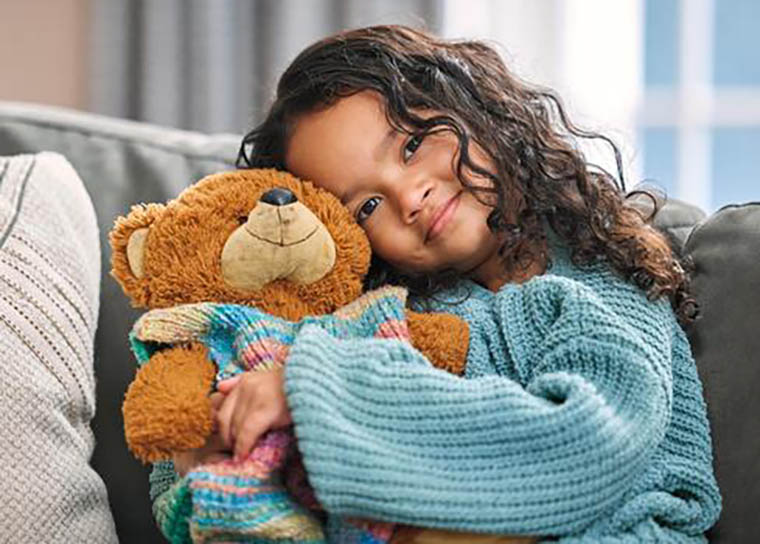
– Empathy and Social Skills: By “caring” for their bear – feeding it, putting it to bed, or comforting it when it’s “hurt” – children practice nurturing, empathy, and role-playing social scenarios.

– Cognitive Growth: Imaginative play with a teddy bear, such as creating elaborate stories or adventures, builds language skills, creativity, and problem-solving abilities.
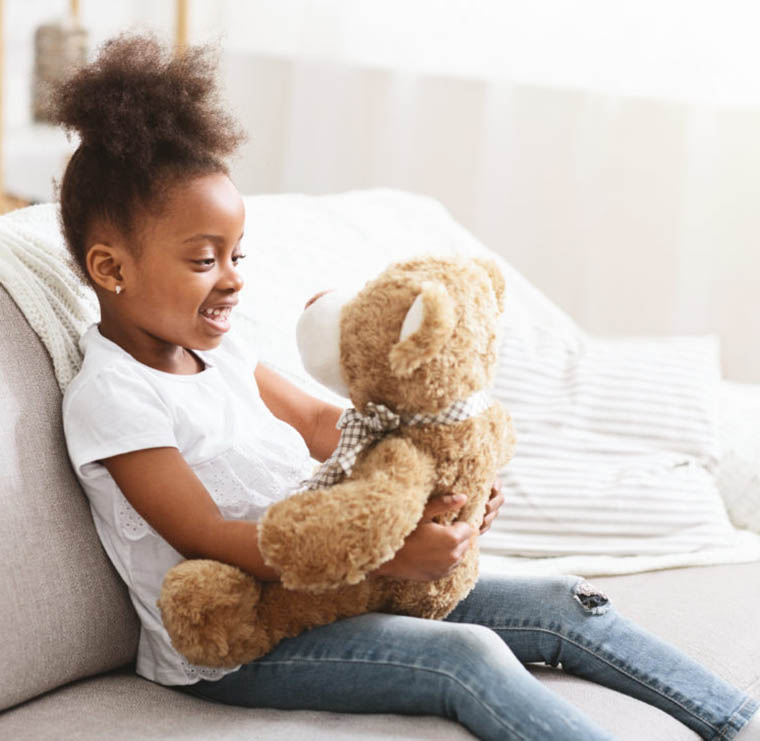
They Provide a Lifelong Source of Comfort
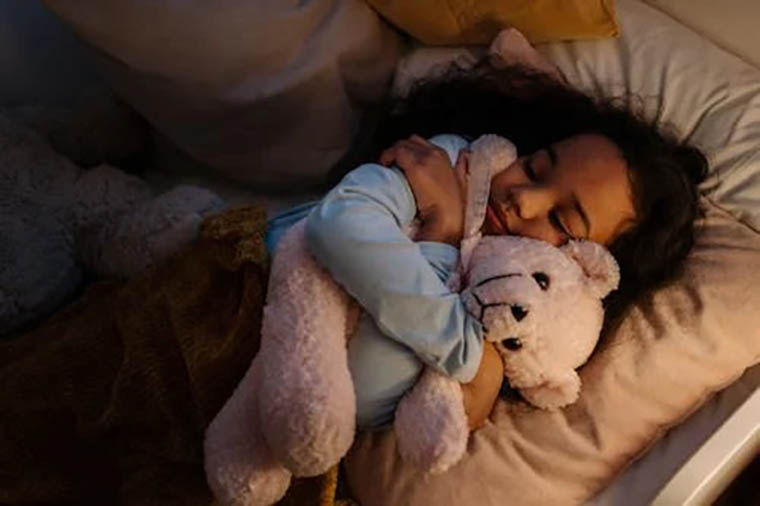


The power of a teddy bear extends far beyond childhood. Research shows that the emotional bond and the sensory comfort – the familiar feel, weight, and even scent – are so profound that many adults retain their childhood bears.

This enduring connection highlights the bear’s role not just as a toy but as a lifelong symbol of unconditional love, security, and a direct link to one’s past.
I have given my Teddy Bear away already, but I have not forgotten him.
.
. . .
.
Teddy Bear, as we know it, was first created by the Steiff company in Germany in 1902.
But I think the idea of a soft companion is a very old one, maybe stemming from an archetypical need.
A rag doll is a doll made from scraps of fabric. They are one of the oldest children’s toys in existence.
Remains of rag dolls have been found as far back as 2000 years.
A modern incarnation of rag dolls can be found in every Waldorf Kindergarten around the world.
( I have worked in one ; )
A Waldorf kindergarten doll is a handcrafted, natural-fiber doll designed to foster imagination, empathy, and emotional security through simple, open-ended play.
Lacking detailed facial expressions—often featuring only simple embroidered eyes and mouth – these dolls allow children to project any emotion onto them, serving as companions that can be sad, happy, or tired based on the child’s needs.
.
. . .
.
Now, I have gone off track from the “Teddy issue” a little bit.
Sorry, dear bear!
Here are some goodies for all the Teddy Bear lovers out there!